
In a world where digital clutter reigns supreme, combining two PDFs can feel like a superhero move. Picture this: instead of juggling multiple files like a circus performer, you can merge them into one sleek document. It’s like turning a chaotic sock drawer into a neatly organized masterpiece. Who wouldn’t want that?
Overview of PDF Files
PDF files, or Portable Document Format files, emerge as a universally accepted format for sharing documents. Created by Adobe in 1993, PDFs maintain their formatting across different devices and platforms. This stability ensures users view files as intended, regardless of software or hardware differences.
Users rely on PDFs for several reasons. They preserve document integrity, allowing for text, images, and layout to remain consistent. Security features in PDF files, such as password protection and encryption, provide another layer of confidence for users sharing sensitive information. Many organizations leverage PDFs for their ability to encapsulate complex data and visually appealing graphics in a single file.
Editing PDFs can pose challenges. Unlike Word documents, making changes isn’t as straightforward. Users often require specialized software or online tools for tasks like merging or splitting files. Conversion between formats, like from Word to PDF, can also introduce complications, potentially altering original formatting.
The popularity of PDFs stems from their versatility. This format accommodates everything from simple text documents to detailed reports filled with charts and images. Users appreciate the ability to annotate, highlight, and comment on PDFs, making them ideal for collaboration and review processes.
Overall, PDF files cater to various needs in both personal and professional settings. They offer a reliable method for sharing information while ensuring that formatting remains intact, regardless of how many files a user combines into one.
Why Combine PDFs?
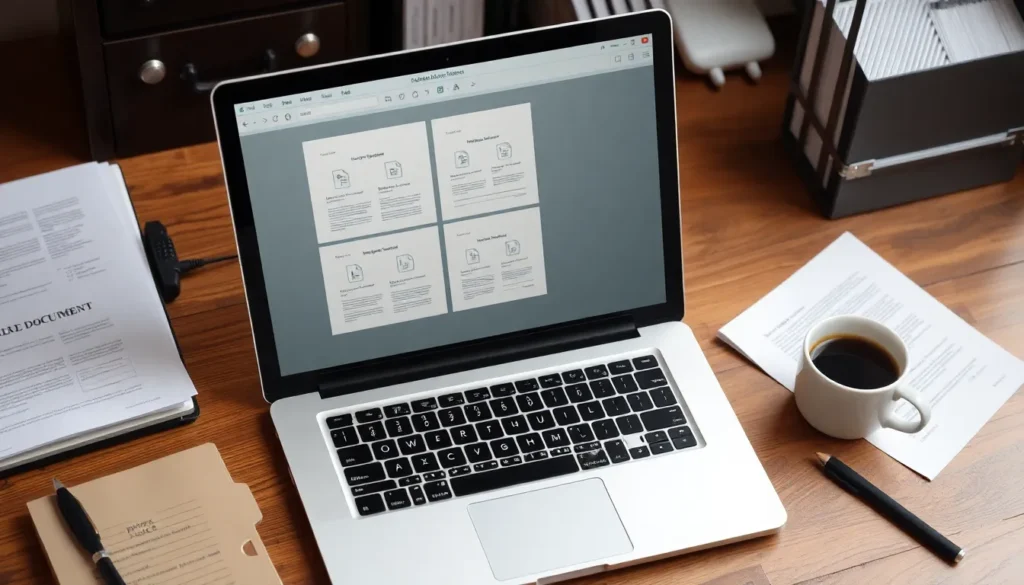
Combining PDFs streamlines document management, enhancing organization and accessibility. Users gain efficiency in handling multiple files by merging them into one cohesive document.
Benefits of Merging PDFs
Merging PDFs offers several advantages. Enhanced readability occurs when documents are combined, making navigation simpler. Improved file management results from having fewer files to track. Additionally, it saves storage space, reducing clutter on devices. Users often experience consistency in formatting since all merged content retains its original layout. Security can also increase; one secure document minimizes risks associated with managing multiple files.
Common Use Cases
Various scenarios benefit from merging PDFs. Business reports often require consolidation for clarity and ease of distribution. Students may combine lecture notes and research materials for cohesive study aids. Legal documents frequently need merging for comprehensive presentation in court cases. Event planners benefit from merging contracts, itineraries, and schedules into a single file for simplicity. Job applicants may compile resumes and cover letters, creating a unified submission package.
Methods to Combine 2 PDFs
Combining PDFs can occur through various methods, each catering to different needs and preferences. Users can choose between online tools, desktop software, and mobile applications.
Using Online Tools
Online tools offer a quick and convenient way to merge PDFs. Websites like Smallpdf and PDF Merge allow users to upload documents directly. Merging occurs in a few clicks, streamlining the process without the need for additional software. Many platforms also ensure file security by offering options to delete uploaded files after processing. This method typically works best for users dealing with lightweight files or occasional merging tasks.
Using Desktop Software
Desktop software provides a more robust solution for combining PDFs. Programs like Adobe Acrobat and Foxit PhantomPDF enable users to merge multiple documents seamlessly. Users can access advanced features such as rearranging pages, adding bookmarks, or editing content before finalizing the merge. For frequent tasks or larger files, desktop software often delivers enhanced functionality and control. This option ensures consistent performance, even with complex PDF documents.
Combining PDFs on Mobile Devices
Mobile applications cater to users needing to combine PDFs on the go. Apps like PDF Expert and Adobe Scan simplify this process directly from smartphones or tablets. Users can select PDFs stored on their devices or cloud storage and merge them effortlessly. Mobile solutions offer convenience and flexibility, making it easy to manage documents anytime. Most apps maintain user-friendly interfaces, ensuring even those less tech-savvy can navigate the merging process efficiently.
Tips for a Successful Merge
Choose the right tools based on specific needs. Online tools like Smallpdf and PDF Merge are excellent for casual users looking for quick merges. For those handling larger files or requiring advanced features, desktop software like Adobe Acrobat is ideal.
Organize PDF files before starting the merge. Ensuring that files are arranged in the desired order saves time during the merging process. This results in a logical flow within the final document.
Check for compatibility between different PDF versions. Incompatibility may cause issues during merging. It’s crucial to use compatible formats to maintain document integrity.
Review merged files for accuracy. After merging, take a moment to scroll through the document and confirm that all content appears as intended. Spotting errors early prevents potential confusion later.
Make use of editing features if available. Some tools allow for minor edits before merging, enhancing the overall quality of the final document. Users can adjust text, images, or formatting to meet specific requirements.
Consider file size implications. Merged PDFs can become large, affecting sharing and storage options. Keeping an eye on total size ensures better management of digital space.
Remember to save a copy of the original files. In case of any issues, having the original PDFs handy provides an easy solution for redoing the merge if needed. Backups offer additional peace of mind.
Utilize password protection features when necessary. For sensitive documents, applying security measures keeps information safe, especially when sharing with others. Protecting sensitive data is always a priority.
Merging two PDFs can significantly enhance document management and organization. By consolidating files into a single document, users can reduce clutter and improve accessibility. This process not only simplifies sharing but also maintains the integrity and formatting of the original files.
With various tools available for merging PDFs, users can choose the method that best fits their needs. Whether opting for online tools, desktop software, or mobile applications, the right choice can streamline the merging process. By following the provided tips, individuals can ensure a successful outcome while preserving the quality of their documents. Embracing this simple yet effective practice can lead to a more organized digital workspace.