
Imagine walking through a beautiful garden, only to be confronted by a patch of holes that sends shivers down your spine. If that sounds familiar, you might be one of the many who experience trypophobia—the fear of holes. It’s not just an odd quirk; it’s a real phenomenon that can make even the most serene landscapes feel like a horror movie set.
Understanding the Fear of Holes
Trypophobia encompasses intense feelings of unease triggered by clusters of holes. Those experiencing trypophobia often react to images of holes in various forms, such as bubbles in food, honeycombs, or natural patterns in plants. The fear manifests physically and emotionally, leading to symptoms like sweating, nausea, or rapid heartbeat.
Cognitive behavioral theories suggest that these reactions stem from an evolutionary response. Certain patterns identified in nature may indicate potential threats, signaling avoidance mechanisms in the brain. Individuals with trypophobia may perceive holes as dangerous, linking them to decay or parasitism.
Cultural factors play a role in shaping perceptions of holes. Exposure to fearful imagery in media can exacerbate the fear, creating a cycle that reinforces negative reactions. People often share their experiences online, further normalizing the fear and fostering a community around shared discomfort.
Scientific research supports that trypophobia exists even if it’s not classified as a formal phobia in clinical settings. Studies highlight how the brain processes visual stimuli, with many finding holes aesthetically unpleasing or threatening, regardless of personal experiences.
Addressing trypophobia involves understanding its triggers and developing coping mechanisms. Engaging with calming techniques like mindfulness or gradual exposure can help individuals manage responses. Awareness and education about the fear pave the way for better understanding and acceptance.
What Is the Fear of Holes Called?
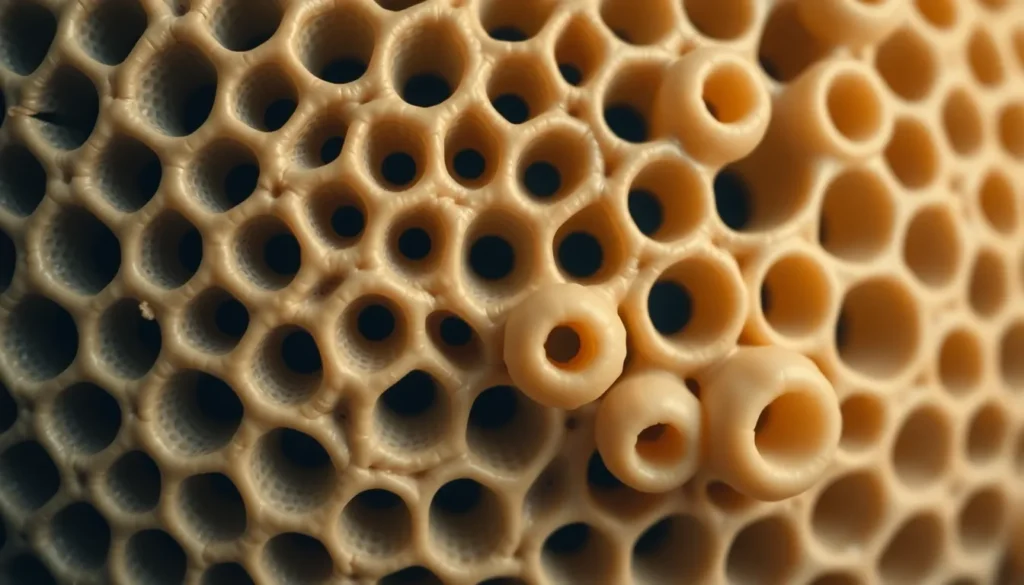
Trypophobia refers to the fear of holes. Individuals experiencing this fear often react strongly to visual stimuli featuring clusters of holes or patterns resembling them.
Definition of Trypophobia
Trypophobia is defined as an aversion or fear response triggered by specific patterns of holes. These patterns can provoke feelings of anxiety in those affected. Some researchers consider this phenomenon a psychological condition due to its consistent, distressing effects. The term itself combines “trypa” derived from the Greek word for “hole” and “phobia” indicating fear. Academic studies highlight it as a legitimate reaction, influencing how individuals interact with their environments.
Symptoms of Trypophobia
Symptoms of trypophobia vary among individuals, but common manifestations include anxiety, sweating, and increased heart rate. Discomfort or revulsion towards images displaying clusters of holes creates emotional responses that can be overwhelming. Some people report nausea or a profound sense of unease. The severity of these symptoms may escalate when encountering specific patterns, leading to avoidance behavior. Cognitive behavioral theories explain these reactions as potentially grounded in evolutionary biology, signaling danger or threat.
Causes of Trypophobia
Understanding the causes of trypophobia provides insight into the fear of holes. Several factors contribute to this phenomenon, highlighting its complexity.
Psychological Factors
Psychological factors play a significant role in trypophobia. Fear responses may originate from deep-rooted evolutionary instincts that associate certain patterns with danger. Individuals may experience heightened anxiety upon viewing images featuring clusters of holes. Negative past experiences can shape their reactions, reinforcing an aversion to these patterns. Cognitive theories suggest that the brain’s pattern recognition may malfunction, leading to discomfort in response to visuals perceived as threats. These psychological underpinnings ensure that trypophobia isn’t merely a personal quirk but a genuine fear.
Environmental Influences
Environmental influences impact the development and exacerbation of trypophobia. Exposure to distressing imagery in media can amplify fear reactions, creating associations between holes and potential threats. Natural environments featuring holes, such as certain plants or animals, can trigger uncomfortable feelings in susceptible individuals. Social environments might contribute to the fear as well, with shared negative reactions reinforcing the fear within communities. Learning about these influences reveals how context shapes perceptions of holes, emphasizing that trypophobia can emerge from learned behaviors and societal norms.
Coping Mechanisms and Treatment Options
Coping with trypophobia involves various therapeutic techniques and self-help strategies aimed at reducing fear and anxiety. Individuals experiencing this fear can explore professional guidance and personal methods.
Therapy Approaches
Cognitive-behavioral therapy (CBT) effectively addresses trypophobia by helping individuals reframe their thoughts. Exposure therapy gradually introduces feared stimuli, allowing clients to confront their anxieties in a controlled manner. This method uses desensitization to diminish emotional responses. Eye movement desensitization and reprocessing (EMDR) also shows promise, as it helps in processing traumatic imagery linked to holes. Support groups can provide a sense of community, enabling individuals to share experiences and coping techniques. Lastly, mindfulness techniques promote relaxation and grounding, thus easing anxiety during encounters with triggering patterns.
Self-Help Strategies
Many self-help strategies can empower those dealing with trypophobia. Practicing mindfulness meditation fosters awareness and helps individuals manage anxiety symptoms. Journaling about experiences can facilitate emotional processing and promote understanding. Gradual exposure to images of holes may increase tolerance, making it easier to face fears in real life. Visualizing positive outcomes when encountering triggers helps build resilience. Breathing exercises prove beneficial in calming the nervous system during stressful moments. Lastly, connecting with others through discussions or online forums allows individuals to share insights and coping techniques.
Understanding trypophobia sheds light on a complex fear that affects many individuals. By recognizing the triggers and symptoms associated with this condition, people can take steps toward managing their responses. The variety of coping mechanisms available offers hope for those struggling with this fear. Whether through therapy techniques or self-help strategies, individuals can learn to navigate their discomfort and reclaim their peace of mind. As awareness of trypophobia grows, so does the potential for effective support and understanding within communities.